
How Ultrasonic Cleaning Works
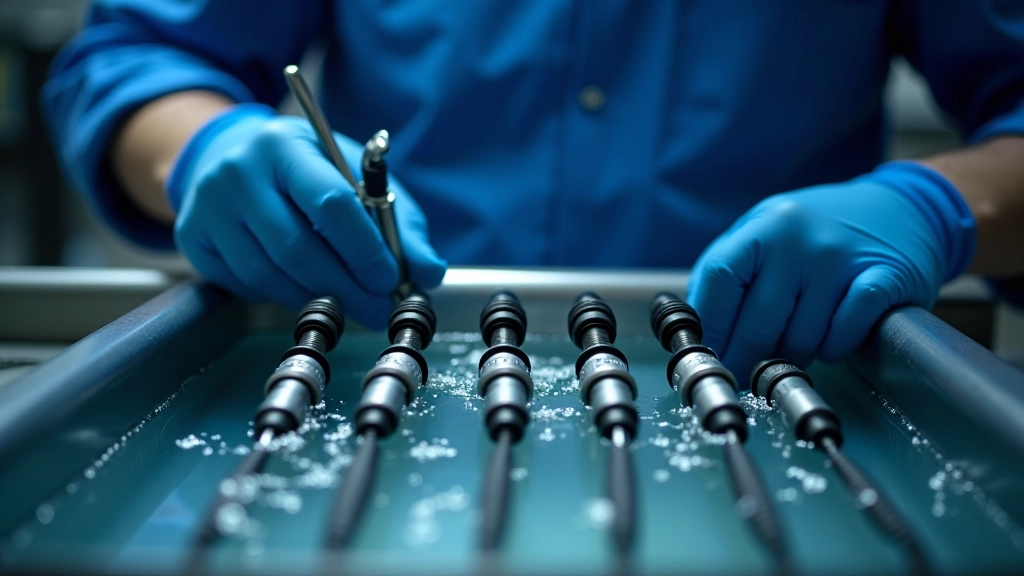
Ultrasonic waves create tiny bubbles that remove carbon deposits and varnish buildup without damaging injector components. It's the most effective method for restoring fuel delivery.

Author
Marlohall Editorial Team
Editorial Team
Written by the marlohall editorial team, focused on clear, honest guidance about fuel injector cleaning and automotive maintenance.
What Makes Ultrasonic Cleaning Different
If you've ever wondered how technicians get fuel injectors completely clean without disassembling them, ultrasonic cleaning is the answer. It's not magic — it's physics. High-frequency sound waves create a process called cavitation, where tiny bubbles form and collapse, generating tremendous cleaning power. Unlike scrubbing or soaking, this method reaches into every microscopic crevice of your injector without any risk of damage.
The best part? It works. Carbon buildup, varnish deposits, and fuel residue don't stand a chance. We've seen injectors that looked completely hopeless come out of our cleaning tanks performing like new. That's why it's become the industry standard for serious fuel injector restoration.
The Cavitation Process Explained
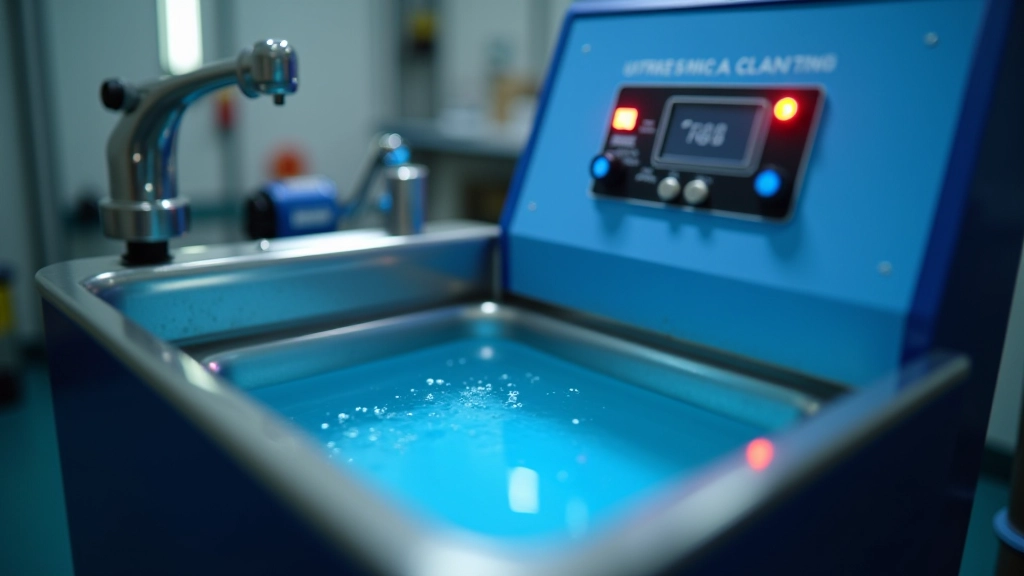
Here's how it actually works: ultrasonic machines vibrate at frequencies between 20 kHz and 100 kHz — far beyond what human ears can detect. When the injector is submerged in cleaning solution, these rapid vibrations create pressure waves. As the pressure drops, tiny vapor bubbles form in the liquid. When pressure increases again, these bubbles collapse with tremendous force.
The Key Insight: Each bubble collapse generates localized shock waves and jet streams that physically dislodge deposits. It's like millions of microscopic explosions happening simultaneously, but controlled and safe.
The cleaning solution itself matters too. We use specially formulated fluids designed to dissolve varnish and break down carbon while protecting metal surfaces. The solution carries away loosened particles, preventing them from reattaching. After 15-20 minutes in the tank, even the dirtiest injectors emerge clean.
Why It's More Effective Than Other Methods
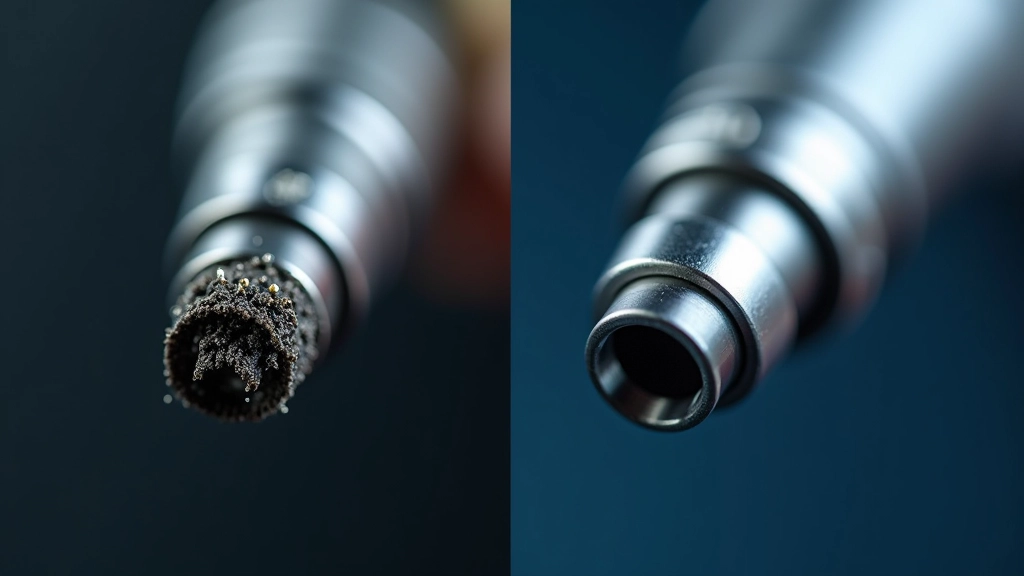
You might think soaking an injector in cleaner for a few hours would do the trick. It won't. Manual scrubbing? You'll damage the precision components. Chemical additives in fuel? They help a little, but can't remove existing buildup. That's where ultrasonic cleaning stands apart.
Reaches Every Crevice
Sound waves penetrate into internal passages that brushes and picks can't access. The cavitation bubbles clean from the inside out.
No Component Damage
Unlike aggressive mechanical cleaning, ultrasonic action is gentle on delicate spray patterns and sealing surfaces. Your injectors stay structurally intact.
Consistent Results
Every injector gets treated identically. No human error, no missed spots. Consistency matters when you need reliable fuel delivery.
Most deposits we see have built up over thousands of miles. They're stubborn. Ultrasonic cleaning doesn't just loosen them — it removes them completely. That's why injectors cleaned this way perform noticeably better after treatment.
The Cleaning Timeline
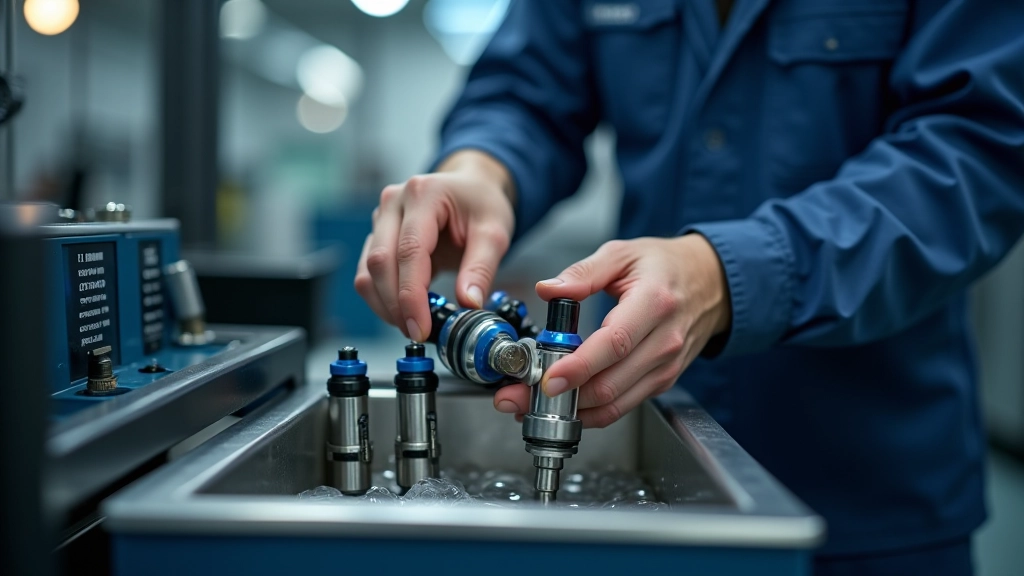
From intake to completion, here's what happens during the ultrasonic cleaning process:
Initial Inspection
We examine each injector visually and measure spray pattern performance. This baseline helps us verify the cleaning worked.
Pre-rinse
A quick rinse removes loose particles and fuel residue. This prevents contamination of the cleaning solution.
Ultrasonic Bath (15-20 minutes)
The injectors sit in the ultrasonic tank with specially formulated cleaning solution. Sound waves do the heavy lifting while you wait.
Rinse & Dry
Thorough rinsing removes all cleaning solution. We dry the injectors completely to prevent corrosion.
Flow Rate Testing
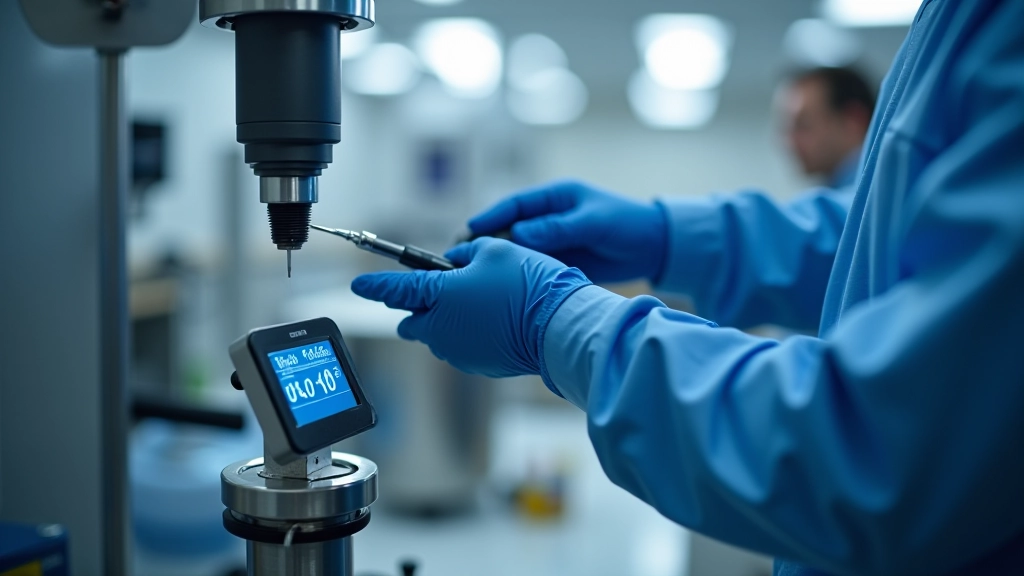
We run each injector through our flow rate testing machine. This confirms they're delivering fuel at the correct volume and pattern.
Important Information
This guide is provided for educational purposes to help you understand how ultrasonic cleaning works and its benefits for fuel injector restoration. While we've outlined the standard process, actual results depend on the condition of your injectors, your vehicle's fuel system, and driving habits. For specific concerns about your vehicle's performance or fuel injector condition, consult with a qualified automotive technician. Always follow manufacturer recommendations for your vehicle's maintenance schedule.
Why It Matters for Your Vehicle
Clean fuel injectors mean better fuel atomization, more complete combustion, and improved engine efficiency. You'll notice smoother idle, better acceleration, and potentially improved fuel economy. It's not a miracle cure for every engine problem, but it's one of the most effective things you can do to restore your vehicle's fuel system to proper working condition.
We've been using ultrasonic cleaning equipment since we opened in 2023, and we've seen the difference it makes. Injectors that looked completely beyond recovery came out performing like new. That's why we trust this method and recommend it to anyone dealing with fuel delivery issues.
If you're wondering whether your injectors need cleaning or want to understand more about the process, we're here to help. Feel free to reach out with questions about your specific situation.
Ready to Learn More?
Explore our other guides on fuel injector maintenance and testing, or get in touch if you have questions about your vehicle's fuel system.
Explore Fuel Injector ResourcesRelated Articles
Continue learning about fuel injector maintenance and testing