
Maintenance Intervals for Fuel Injectors
How often should you clean your injectors? It depends on driving habits, fuel quality, and your vehicle's age. We'll help you develop a realistic maintenance schedule.
Marlohall Editorial Team
Editorial Team
Written by the marlohall editorial team, focused on clear, honest guidance about fuel injector cleaning and automotive maintenance.
Understanding Your Maintenance Schedule
There's no one-size-fits-all answer to injector maintenance. Your actual timeline depends on several factors working together. City drivers who idle in traffic get different wear patterns than highway commuters. The fuel you pump matters too — lower-quality stations tend to have more contaminants.
Most drivers fall into one of three categories. Regular maintenance users typically clean every 50,000 to 80,000 miles. High-mileage or rough-condition drivers might need service every 30,000 to 50,000 miles. Light-use vehicles with premium fuel can often stretch to 100,000 miles between cleanings.
The key thing to understand: cleaning isn't just about performance. It's preventative maintenance. Carbon buildup doesn't stay the same — it gets worse over time. Catching it early costs less than dealing with failed injectors later.

Signs You're Overdue
Rough idle at red lights, hesitation when accelerating, and decreased fuel economy are the classic symptoms. You might also notice a check engine light — sometimes it's injector-related, sometimes it's a sensor picking up the effects. The point is: don't ignore these warnings. They're telling you something needs attention.
How Driving Habits Affect Your Timeline
Short trips are harder on injectors than long drives. When you're only going five minutes to the store, the engine doesn't reach optimal temperature. Fuel doesn't burn as cleanly. Over time, deposits accumulate faster.
Highway driving at steady speeds? That's actually gentler on your injectors. The engine runs hot, fuel burns more completely, and carbon buildup happens slower. If you're doing mostly city driving with lots of stop-and-go, you'll probably need cleaning 20,000 to 30,000 miles sooner than highway drivers.
Cold climates also matter. Winter fuel contains different additives, and engines struggle to warm up in freezing temperatures. Drivers in harsh winters often need maintenance sooner than those in moderate climates.
Fuel Quality Makes a Real Difference
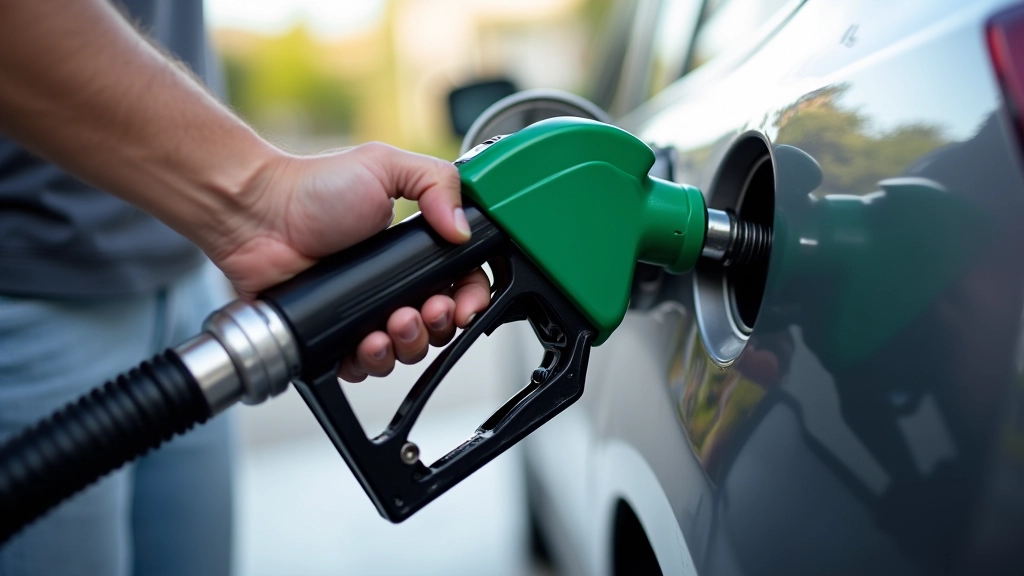
Not all gasoline is created equal. Top-tier brands add detergents that keep injectors cleaner naturally. Budget stations? Sometimes they're just fine, sometimes not. The problem is you can't tell which is which without testing the fuel itself.
If you're using the same cheap station for years, you're likely accumulating deposits faster. Switching to premium or top-tier brands can actually extend the time between cleanings. Some drivers report getting an extra 20,000 miles just from upgrading fuel quality. That's worth calculating: better fuel costs a bit more, but you clean less often.
Diesel vehicles deserve special mention. Diesel injectors handle different pressures and temperatures. They typically need cleaning every 80,000 to 120,000 miles, which is longer intervals than gasoline cars. But when they do need it, you want proper diesel-specific cleaning.
Pro Tip: Track Your Mileage
The easiest way to stay on schedule is to write down your current mileage when you get service. Then calculate forward: if you're doing 50,000-mile intervals, you know exactly when to book the next appointment. Don't rely on memory — write it down in your vehicle manual or set a phone reminder.
Older Vehicles Need Different Schedules
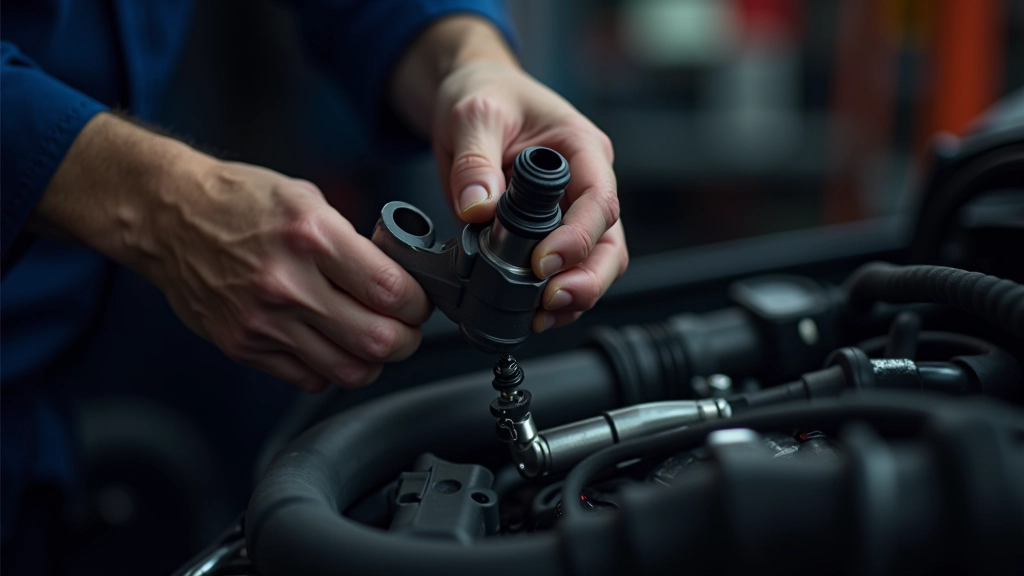
Cars built before 2010 have different fuel system tolerances than modern vehicles. Older injectors were less precise, but they were also tougher. If you're driving a 15-year-old sedan, you might not need cleaning as often as the original manufacturer suggested.
The flip side: once older injectors start showing symptoms, they deteriorate quickly. A 2005 vehicle running rough might need immediate cleaning, not next month. The degradation curve is steeper for aging fuel systems.
Modern vehicles with direct injection systems? These need tighter schedules. Direct injectors spray fuel straight into the cylinder, not the intake valve. They get hotter and accumulate deposits differently. Many manufacturers now recommend cleaning every 40,000 to 60,000 miles for direct injection engines.
Creating Your Personal Schedule
Start with your vehicle's manual — that's your baseline. Then adjust based on your driving reality. City driver? Move the interval down by 20,000 miles. Highway commuter? You can stretch it out. Use premium fuel? Add 15,000 miles to your interval. Combine these factors and you'll have a schedule that actually works for your situation.
The Bottom Line
There's no magic number that works for everyone. Your maintenance schedule depends on how you drive, where you drive, what fuel you use, and how old your vehicle is. The general range of 30,000 to 100,000 miles is a useful framework, but your personal schedule should account for your specific situation.
The best approach is preventative. Don't wait until your car runs rough to think about injector cleaning. If you're approaching a typical maintenance interval and noticing any symptoms — hesitation, poor fuel economy, rough idle — that's your signal to get them tested. Modern fuel injector cleaning is straightforward and cost-effective when caught early. Ignore it, and you're looking at much bigger repair bills down the road.
Track your mileage, note your driving conditions, and be honest about fuel quality. Build a maintenance schedule that fits your real-world driving. That's how you keep your injectors clean and your engine running smoothly for the long haul.
Related Articles
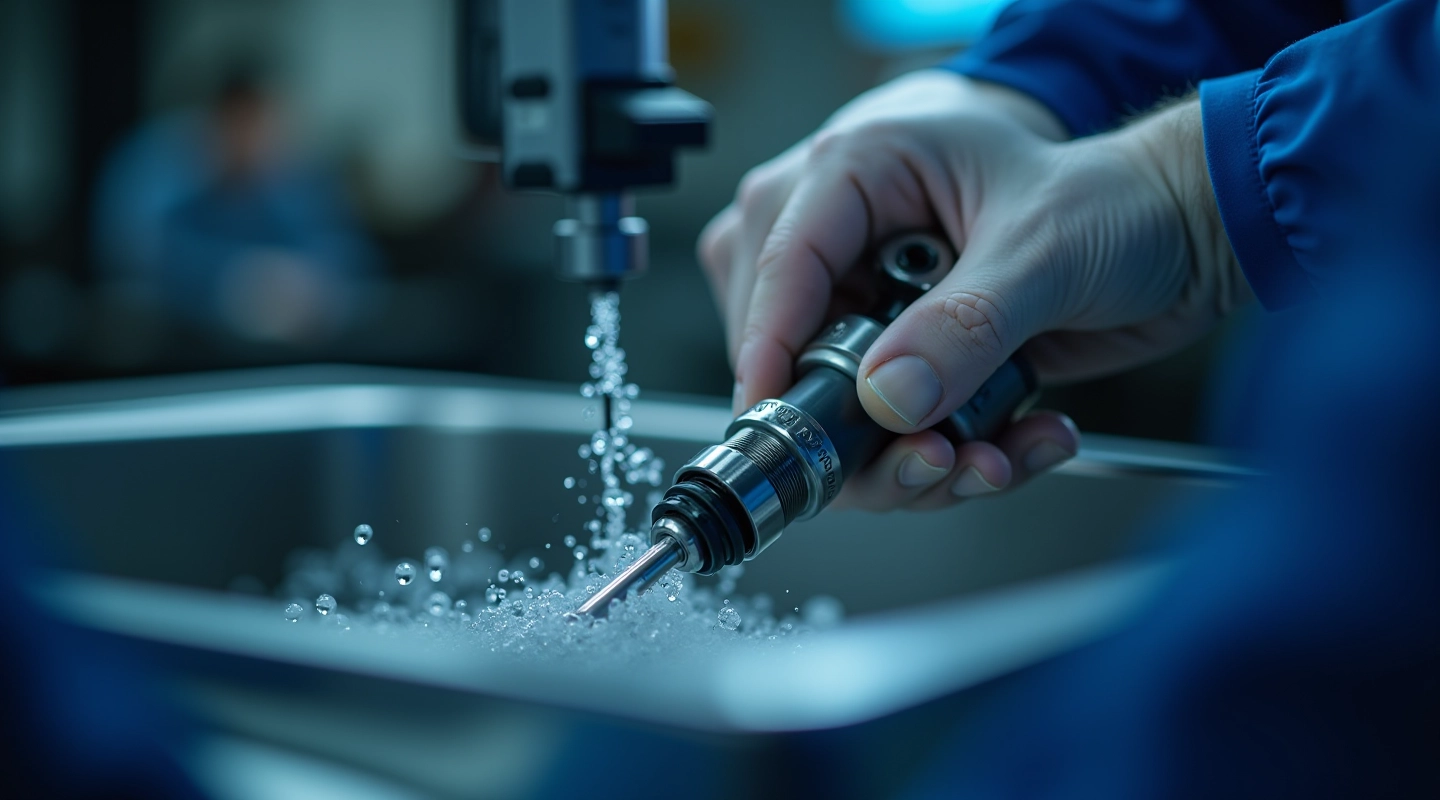
Signs Your Injectors Need Cleaning
Rough idling, poor fuel economy, and hard starts often point to dirty injectors. Learn what symptoms to watch for.
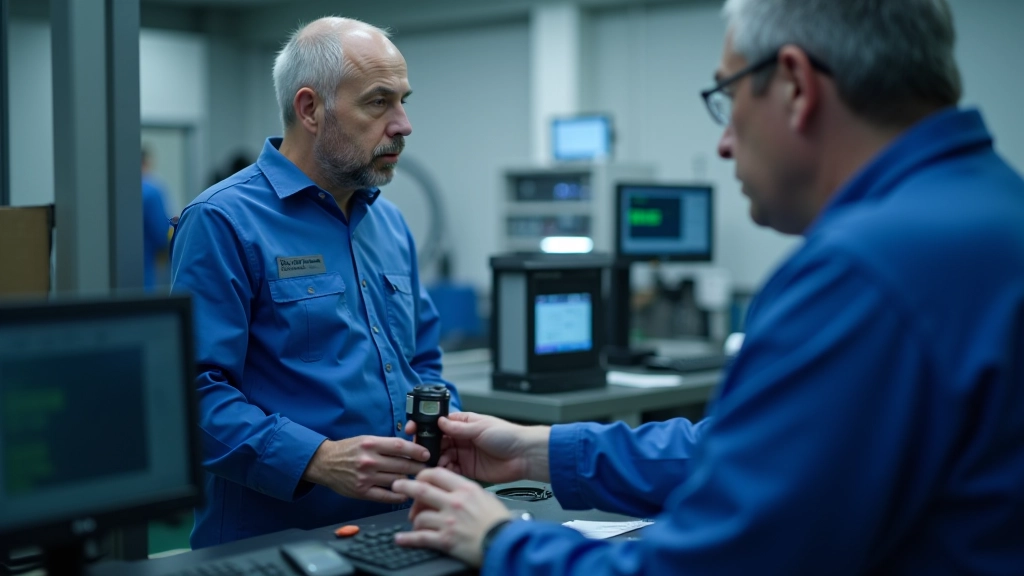
Understanding Flow Rate Testing
Flow rate testing measures how much fuel each injector delivers per cycle. We'll explain the process and what results mean.
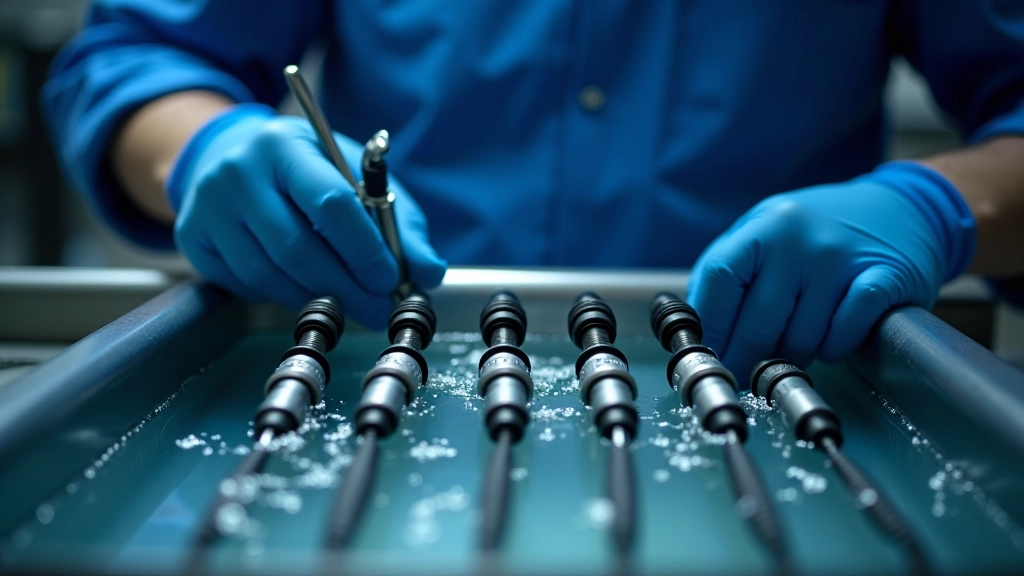
How Ultrasonic Cleaning Works
Ultrasonic waves create tiny bubbles that remove carbon deposits and varnish buildup from injector nozzles.
Important Disclaimer
This article is for informational purposes only and doesn't replace professional automotive advice. Maintenance intervals vary by vehicle make, model, and condition. Always consult your vehicle's owner manual and speak with a qualified mechanic about your specific maintenance needs. Individual results may vary based on driving conditions, fuel quality, and vehicle history.