
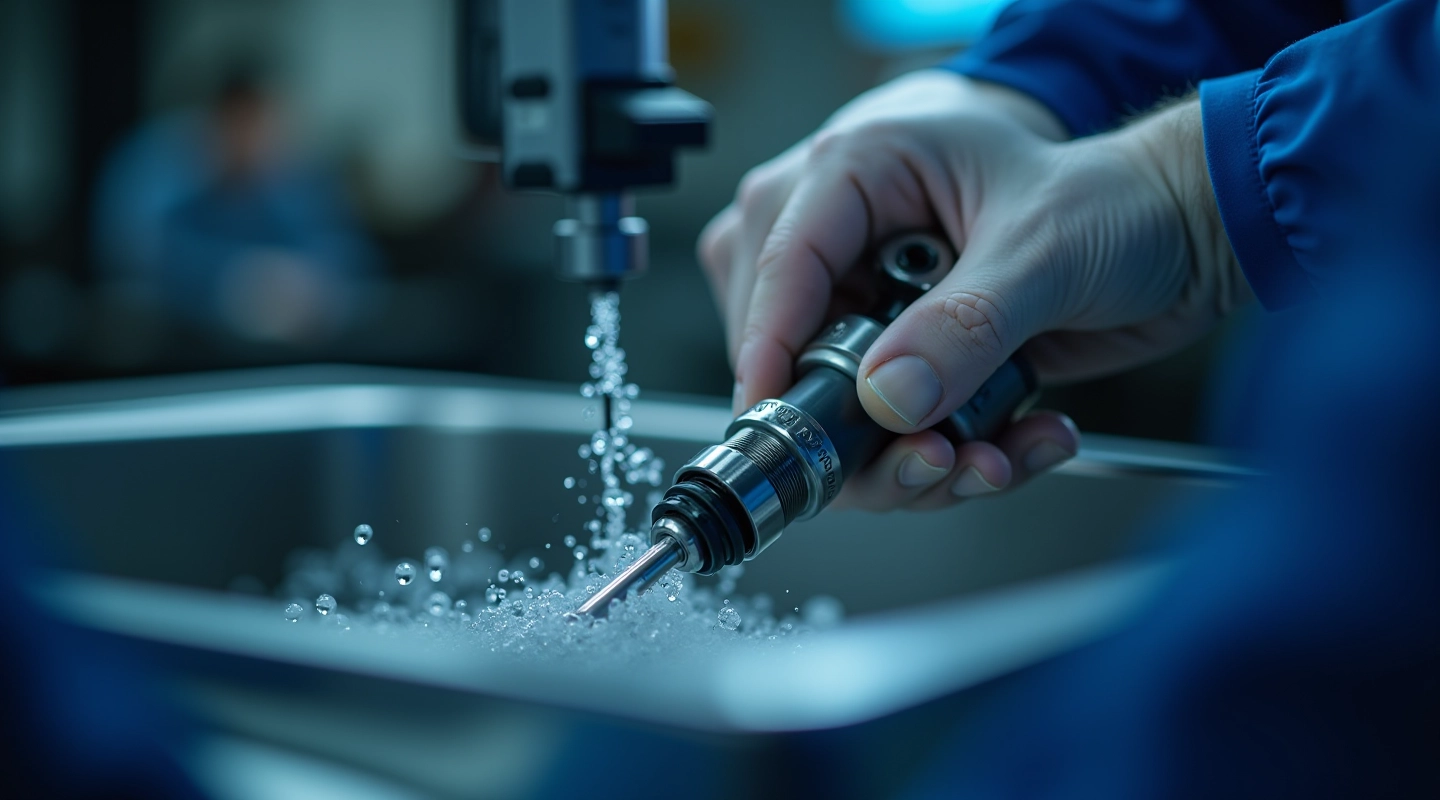
Signs Your Injectors Need Cleaning
Rough idling, poor fuel economy, and hard starts often point to dirty injectors. Learn the warning signs.
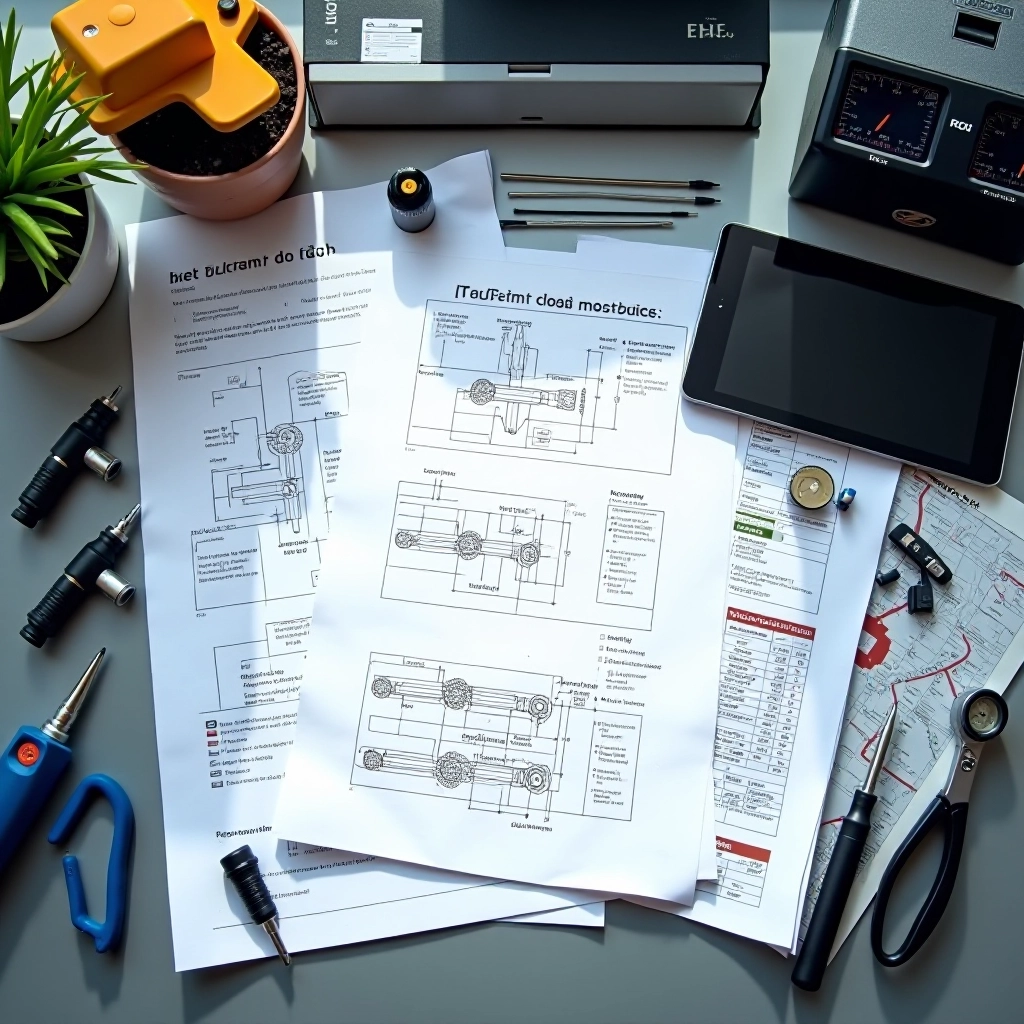
Flow rate testing measures exactly how much fuel each injector delivers per cycle. We'll explain what the numbers mean and why consistency across all injectors matters for engine health.

Editorial Team
Written by the marlohall editorial team, focused on clear, honest guidance about fuel injector cleaning and automotive maintenance.
Flow rate testing isn't complicated. It's a straightforward measurement of how much fuel comes out of each injector when it opens. Think of it like checking if all the showerheads in your house spray the same amount of water — you want consistency.
Modern fuel injectors operate at incredibly precise tolerances. A difference of just 5% in flow rate between injectors can cause rough idling, misfires, and poor fuel economy. That's why mechanics and technicians use specialized equipment to measure and compare flow rates across all cylinders.
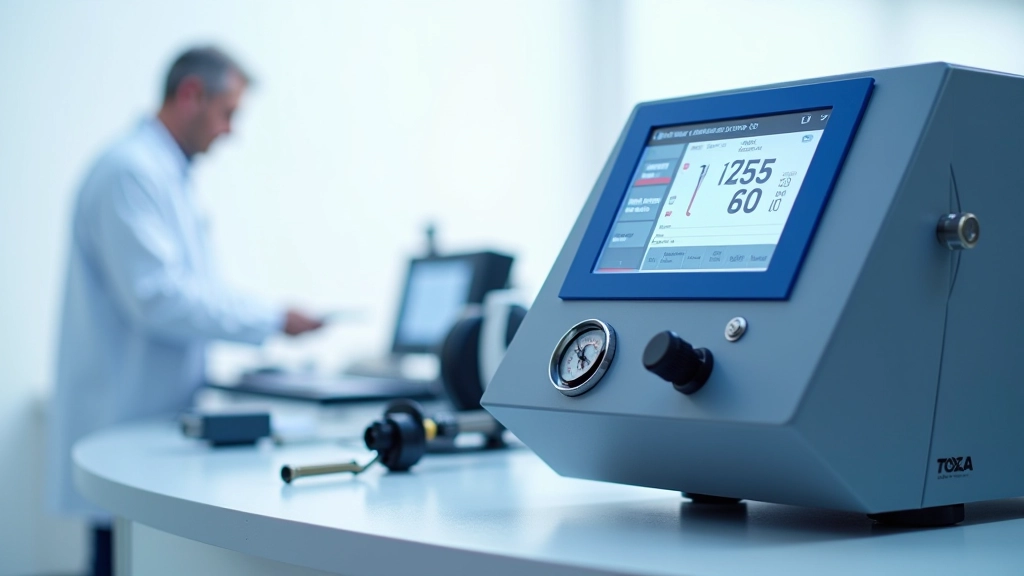
All injectors should deliver roughly the same amount of fuel. When one injector sprays 15% more than others, that cylinder gets too much fuel. Your engine compensates by running rich, which wastes fuel and increases emissions.
The process is systematic and takes about 30-45 minutes per set of injectors. We remove the fuel injectors from your engine and mount them in a specialized test bench. Each injector gets mounted in a collection chamber — basically a graduated cylinder that catches and measures the fuel sprayed.
The test equipment sends electrical pulses to activate the injector just like your engine would. We count how many milliseconds the injector stays open and measure how much fuel it delivers. Most modern test systems calculate flow rate in milliliters per minute (ml/min) or grams per second (g/s).
We run each injector through multiple cycles — usually 10-20 pulses — to get an average measurement. This accounts for slight variations between individual pulses. The data gets recorded and compared across all injectors in your engine.
A healthy injector on a 4-cylinder engine typically delivers between 18-22 ml/min at idle conditions, though this varies by engine size and design. Your vehicle's manufacturer provides specific target ranges. When flow rates fall below 90% of the target value, that injector needs cleaning or replacement.
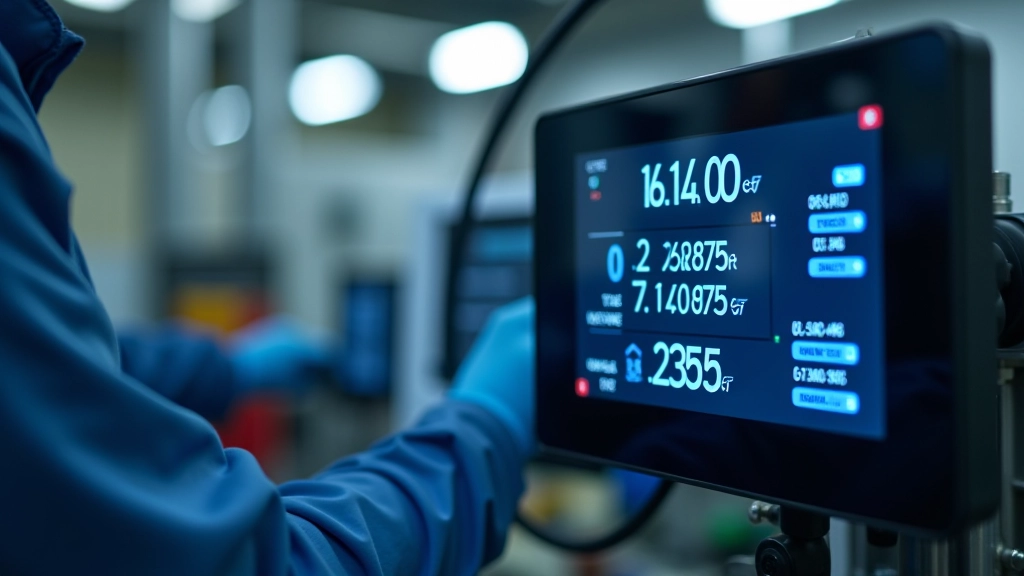
When you get your flow rate report, you'll see a list of injectors with their measurements. Most reports show a target range and how each injector compares. If all injectors are within 10% of each other, that's excellent. Within 15% is acceptable. Beyond that, you're looking at performance issues.
The report also shows if flow rates are consistent across multiple test cycles. An injector that varies 8-12 ml/min from one pulse to the next has an internal problem — maybe a sticking needle valve or worn seat. This inconsistency matters more than the absolute number sometimes.
You'll also see spray pattern notes. A healthy injector creates a fine mist. If it's dribbling or spraying unevenly, cleaning won't fix it — that injector needs replacement.
You don't need to test injectors just because your car runs. Testing makes sense when you're experiencing symptoms: rough idle, hesitation during acceleration, bad fuel economy, or failed emissions tests. If your car's running fine, you don't need flow rate testing.
We recommend testing as a diagnostic step before committing to expensive repairs. Sometimes rough running comes from bad spark plugs or a failing oxygen sensor, not injectors. Flow rate testing gives you the actual facts instead of guessing.
If your injectors get professionally cleaned, flow rate testing before and after shows whether the cleaning actually worked. That's valuable proof that your money was well spent.

Flow rate testing answers one specific question: are your injectors delivering consistent fuel amounts? It's not a complete engine diagnosis, but it's a crucial piece of the puzzle. When all injectors flow evenly, your engine runs smoother, gets better mileage, and produces fewer emissions.
Information Notice: This guide provides educational information about fuel injector flow rate testing. Specific measurements, flow rate targets, and testing procedures vary by engine type, manufacturer specifications, and model year. Always consult your vehicle's service manual or a qualified technician for your specific vehicle. This content is informational and doesn't replace professional automotive diagnosis or repair.
Rough idling, poor fuel economy, and hard starts often point to dirty injectors. Learn the warning signs.
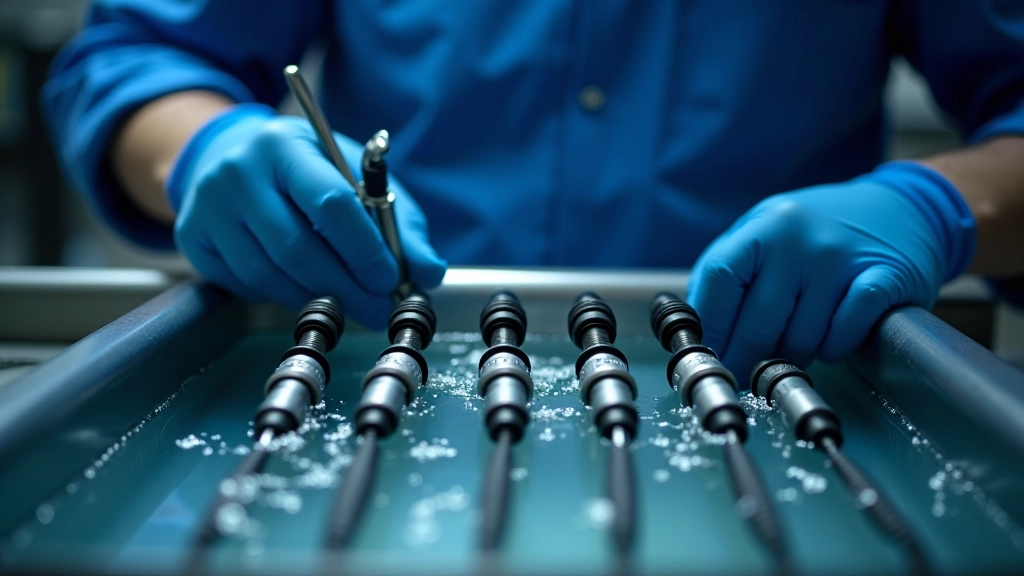
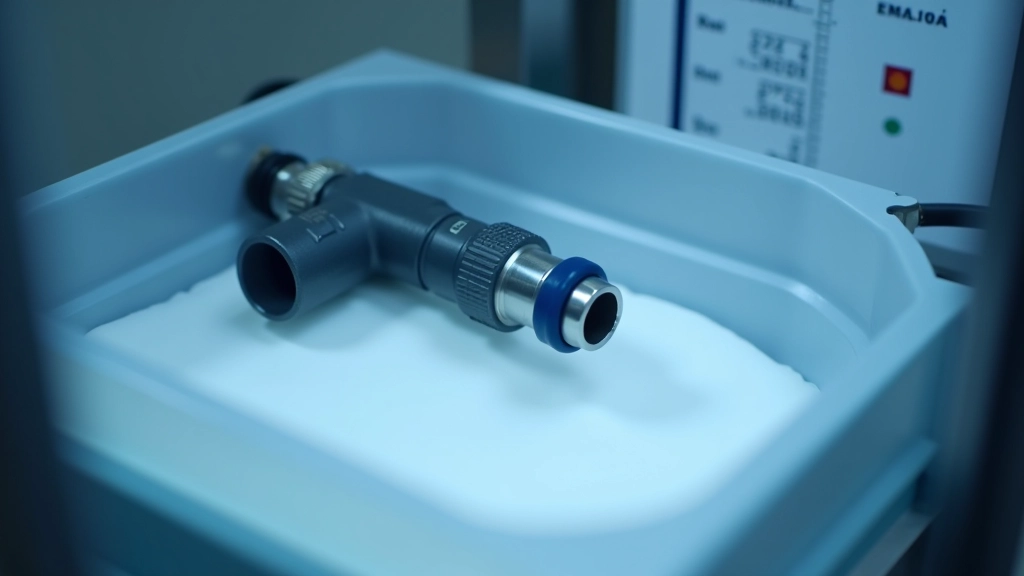
Ultrasonic waves create tiny bubbles that remove carbon deposits and varnish buildup effectively.

How often should you clean your injectors? It depends on driving habits, fuel quality, and engine type.
Get accurate flow rate measurements and detailed analysis from our expert team. Contact us to schedule your fuel injector testing today.
Get in Touch